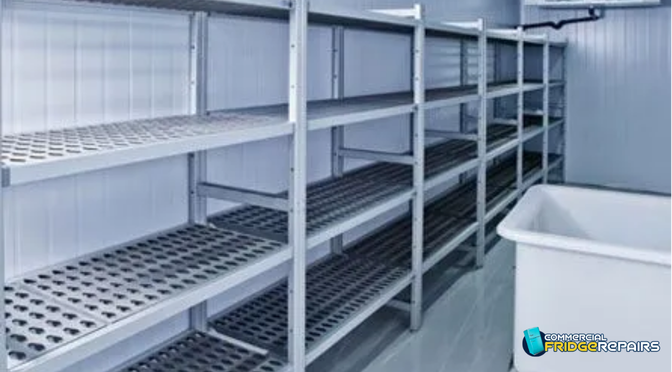
A coolroom that isn’t maintaining the correct temperature can quickly become a serious problem for any business handling food, beverages, flowers, pharmaceuticals or temperature-sensitive products. Even a small increase in temperature can lead to spoiled stock, food safety risks and expensive business interruptions.
Many business owners assume the compressor has failed when a coolroom starts warming up, but the actual cause is often something much simpler—or sometimes a combination of several issues. Dirty condenser coils, damaged door seals, airflow restrictions, refrigerant leaks, faulty temperature sensors and defrost problems can all prevent a coolroom from reaching or maintaining its set temperature.
The good news is that many cooling problems give warning signs before a complete breakdown occurs.
This guide explains how commercial coolrooms work, the most common reasons they stop cooling properly, what you can safely check yourself and when it’s time to arrange professional commercial refrigeration repairs.
Quick Answer
If your coolroom is not cooling properly, the most common causes include:
- Dirty condenser coils
- Refrigerant leaks
- Compressor faults
- Evaporator fan failure
- Condenser fan problems
- Faulty temperature sensors
- Defrost system failure
- Ice build-up on the evaporator coil
- Damaged door seals
- Warm air entering through frequent door openings
- Blocked airflow inside the room
- Incorrect controller settings
- Electrical component failures
Because many of these problems produce similar symptoms, proper diagnosis is important before replacing parts or resetting the controller.
How Does a Commercial Coolroom Stay Cold?
A commercial coolroom removes heat from the storage area using a refrigeration system made up of several working components.
The compressor circulates refrigerant through the system. The condenser releases heat outside the room, while the evaporator absorbs heat from inside the coolroom. Fans move air across the coils, allowing the room to maintain a stable temperature. Temperature probes and digital controllers monitor the system and switch components on and off as required.
If any part of this process is interrupted, cooling performance can quickly decline.
Signs Your Coolroom Isn’t Cooling Properly
Cooling problems often develop gradually before the room stops working completely.
Common warning signs include:
- Temperature rising above the set point
- Products not staying cold enough
- Uneven temperatures throughout the room
- Ice forming around the evaporator
- Water pooling on the floor
- The compressor running continuously
- High temperature alarms
- Digital controller error codes
- Frost around the door
- Higher electricity consumption
- Warm air inside the room despite the system running
Ignoring these symptoms can increase repair costs and place valuable stock at risk.
Also Read:
Why Walk-In Freezer Stops Working in Cold Weather
12 Common Reasons a Coolroom Stops Cooling Properly
1. Dirty Condenser Coils
One of the most common causes of poor cooling is a dirty condenser coil.
Dust, grease and airborne debris reduce airflow across the condenser, making it harder for heat to leave the refrigeration system. As heat builds up, the compressor works harder and cooling efficiency drops.
Common signs include:
- Longer running times
- Rising cabinet temperatures
- Higher power consumption
- Compressor overheating
- High temperature alarms
Routine condenser cleaning is one of the simplest ways to improve refrigeration performance.
2. Refrigerant Leaks
Refrigerant carries heat away from the coolroom. If the system develops a leak, cooling capacity gradually decreases.
Possible symptoms include:
- Room struggling to reach temperature
- Compressor running constantly
- Ice forming in unusual places
- Temperature slowly increasing over several days
- Reduced cooling performance during warmer weather
Because commercial refrigerants require specialist handling, leaks should only be repaired by an appropriately licensed refrigeration technician.
3. Compressor Problems
The compressor is the heart of the refrigeration system.
If it fails to operate correctly, the coolroom cannot remove heat efficiently.
Common compressor issues include:
- Overheating
- Electrical faults
- Worn internal components
- Failed start capacitor
- Contactor failure
- Overload protection trips
A failing compressor may become noisy, cycle repeatedly or stop starting altogether.
4. Evaporator Fan Failure
The evaporator fan circulates cold air throughout the coolroom.
If the fan slows down or stops, cold air remains around the evaporator while the rest of the room becomes warmer.
Typical symptoms include:
- Uneven temperatures
- Ice around the evaporator
- Warm products near the door
- Reduced airflow
5. Condenser Fan Problems
Outdoor condenser units rely on adequate airflow to reject heat.
A faulty condenser fan can lead to:
- High head pressure
- Compressor overheating
- Poor cooling
- High energy consumption
- System shutdown
6. Ice Build-Up on the Evaporator
Heavy ice restricts airflow across the evaporator coil.
Common causes include:
- Defrost heater failure
- Faulty defrost timer
- Defrost sensor faults
- Door left open
- Damaged door seals
- High humidity
As airflow decreases, room temperature gradually rises.
7. Faulty Temperature Sensors
Temperature probes continuously monitor room conditions.
If a sensor becomes damaged or inaccurate, the controller may receive incorrect information and operate the refrigeration system improperly.
Symptoms may include:
- Incorrect temperature display
- Short cycling
- Overcooling
- Insufficient cooling
- Controller alarms
8. Damaged Door Seals
Door gaskets prevent warm, humid air entering the coolroom.
If seals become cracked, loose or worn, moisture enters continuously.
This often causes:
- Condensation
- Frost
- Longer compressor run times
- Ice formation
- Temperature instability
9. Blocked Airflow
Even when the refrigeration system is operating normally, poor airflow inside the coolroom can create warm spots.
Common causes include:
- Overstocking shelves
- Products stacked against evaporators
- Blocked air returns
- Poor shelving layout
Maintaining adequate airflow helps every product remain at a safe storage temperature.
10. Defrost System Failure
Modern coolrooms rely on automatic defrost cycles.
If the system cannot remove accumulated frost, ice continues building until airflow becomes restricted.
Components that may fail include:
- Defrost heater
- Defrost timer
- Defrost sensor
- Controller
- Drain heater
11. Electrical Component Faults
Electrical faults can interrupt cooling even when refrigeration components are in good condition.
Possible faults include:
- Failed relays
- Damaged contactors
- Loose wiring
- Blown fuses
- Controller failures
- PCB faults
Professional electrical testing is usually required to identify these issues accurately.
12. Incorrect Controller Settings
Digital refrigeration controllers manage temperature, defrost intervals and compressor operation.
Incorrect settings or accidental adjustments may affect:
- Room temperature
- Defrost frequency
- Fan operation
- Alarm settings
Controller parameters should only be changed by someone familiar with commercial refrigeration systems.
What You Can Check Before Calling a Technician
Before arranging repairs, there are a few simple checks you can safely perform.
Check the controller display
Look for any alarm messages or error codes.
Inspect the condenser
Ensure the condenser coil is free from excessive dust or grease.
Check the door
Confirm the door closes fully and the gasket forms a complete seal.
Look for excessive ice
Ice around the evaporator may indicate a defrost problem.
Listen to the refrigeration system
Notice whether fans are operating and whether the compressor is running normally.
Keep the door closed
Every unnecessary door opening allows warm air into the coolroom.
What You Should Not Do
Avoid attempting repairs without proper refrigeration knowledge.
Do not:
- Continue resetting the controller
- Chip away ice using sharp tools
- Attempt to recharge refrigerant
- Bypass safety switches
- Ignore recurring alarms
These actions can damage the refrigeration system and make repairs more expensive.
How Cooling Problems Affect Food Safety
Commercial coolrooms help businesses comply with food safety requirements by maintaining consistent storage temperatures.
When temperatures rise above recommended levels, products such as meat, dairy, seafood, prepared meals and fresh produce can deteriorate rapidly.
Businesses should always monitor storage temperatures and follow their food safety procedures if cooling performance becomes unstable.
Preventative Maintenance Helps Avoid Cooling Problems
Many cooling issues develop slowly and can often be prevented through regular servicing.
Preventative maintenance may include:
- Cleaning condenser coils
- Inspecting evaporator coils
- Testing fan motors
- Checking refrigerant performance
- Inspecting electrical components
- Testing temperature probes
- Checking door seals
- Verifying controller settings
- Cleaning drain lines
- Confirming defrost operation
Routine servicing helps improve efficiency, reduce unexpected breakdowns and extend equipment life.
When Should You Call a Commercial Refrigeration Technician?
Arrange professional diagnosis if:
- The coolroom cannot maintain temperature.
- The compressor runs continuously.
- Error codes continue appearing.
- Ice repeatedly forms on the evaporator.
- Refrigerant leaks are suspected.
- Food stock is becoming warm.
- Water is pooling around the coolroom.
- The system repeatedly trips electrical protection.
Prompt repairs can often prevent compressor damage and minimise stock loss.
If your coolroom requires professional attention, visit our Coolroom Repairs Sydney service page to learn more about our commercial refrigeration repair services across Sydney.
Frequently Asked Questions
Why is my coolroom running but not getting cold?
The most common causes include dirty condenser coils, refrigerant leaks, evaporator fan faults, blocked airflow or compressor problems.
Can a refrigerant leak stop a coolroom from cooling?
Yes. Low refrigerant reduces the system’s ability to remove heat, causing temperatures to rise gradually.
Why does my coolroom keep icing up?
Ice build-up is commonly caused by defrost system faults, damaged door seals, high humidity or warm air entering the room.
Should I keep resetting my refrigeration controller?
No. Resetting the controller without identifying the underlying fault may only provide temporary operation while allowing the real problem to worsen.
How often should a commercial coolroom be serviced?
Most commercial refrigeration systems benefit from professional servicing at least twice a year, although high-use environments may require more frequent maintenance.
Can dirty condenser coils affect cooling?
Yes. Dirty condenser coils reduce heat transfer, increase compressor workload and significantly reduce cooling performance.
Final Thoughts
A coolroom that isn’t cooling properly rarely fails without warning. Rising temperatures, excessive ice, water leaks, longer compressor run times and digital controller alarms are often early indicators that something within the refrigeration system needs attention.
Addressing these warning signs promptly can help protect stock, reduce operating costs and minimise downtime. Whether the issue involves airflow, refrigerant, temperature controls or mechanical components, accurate diagnosis is the first step toward restoring reliable cooling performance.
